

[Must-have for novices] Basic knowledge and understanding of stage lighting design.

Stage lighting, also called "stage lighting", is one of the stage art modeling methods. Using stage lighting equipment (such as lighting fixtures, slides, control systems, etc.) and technical means, with the development of the plot, display the environment with light color and its changes, render the atmosphere, highlight the central character, create a sense of space and time on the stage, and shape The external image of the stage performance, and provide necessary lighting effects (such as wind, rain, clouds, water, lightning), etc.
Let's share some knowledge of stage lighting.

Regarding how the stage lighting changes:
1.The lighting takes the plot change as an opportunity for change.
2. The lighting takes the lines as an opportunity for change.
3. The light takes action as an opportunity for change.

4. The lighting takes music or sound effects as an opportunity to change.
5. The lighting takes time as an opportunity to change.

About stage lighting classification:
1. Surface light: The light projected from the top of the audience to the stage is mainly used for the front lighting of the characters and the basic lighting of the whole stage.


2. Slap: Located on both sides of the proscenium, the light projected obliquely on the stage is divided into upper and lower layers. The main auxiliary surface light is to strengthen the facial lighting and increase the three-dimensional sense of the characters and scenery.

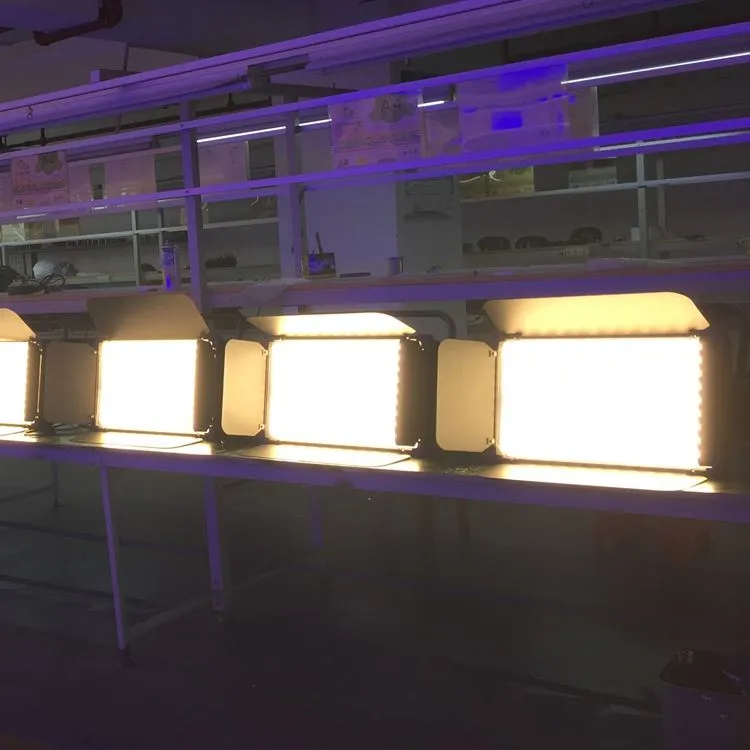
3. Pillar light (also called side light): The light projected from both sides of the proscenium is mainly used to illuminate the two sides of people or scenery to increase the sense of three dimensionality and contour.


For more knowledge, please pay attention to the next issue
ICON light dedicated to stage lighting more ten 10 years, Produce professional stage lighting and effect equipment, welcome to the official website to browse product information.


